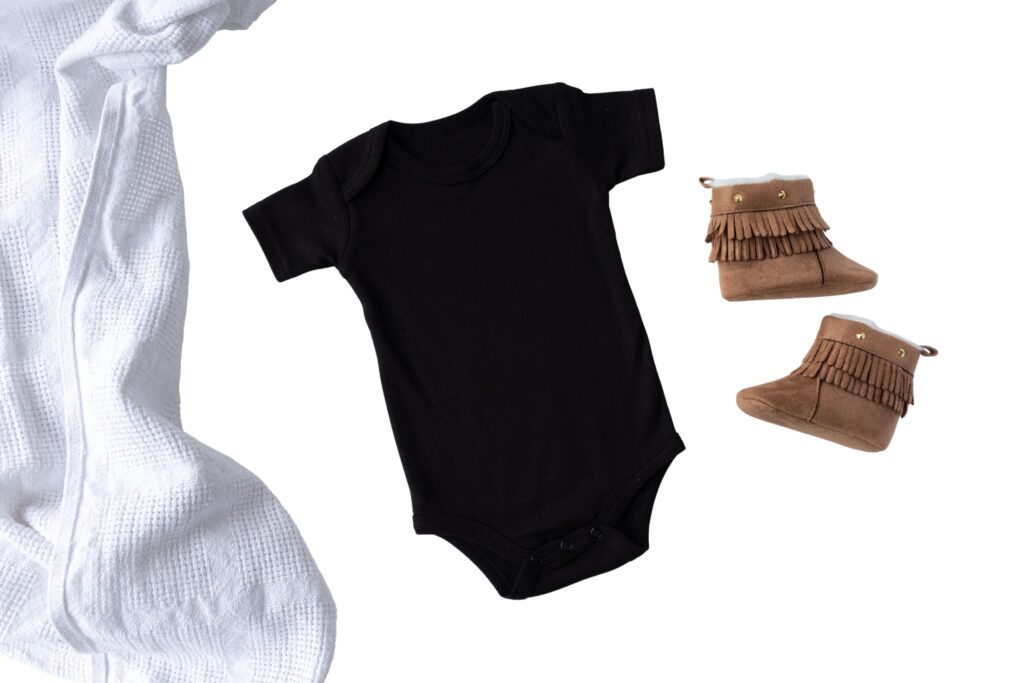
There is something about holding a tiny newborn onesie years later that no photo on your phone can replicate. The softness of the fabric, the faded colour, the impossibly small size — it brings a whole moment flooding back in a way that scrolling through a camera roll simply cannot.
That is the magic of a memory box.
In a world that has moved almost entirely to digital, a physical memory box is one of the most beautiful screen-free gifts you can give your child — and yourself. It is a collection of tangible, touchable moments that your child can one day open, hold, and explore with their own hands.
Whether you are starting from scratch or looking for fresh ideas to add to an existing box, this guide covers everything you need to know — from what to put in a baby’s first year box to how to capture family trips, milestones, and the beautiful everyday moments in between.
What Is a Memory Box?
A memory box is exactly what it sounds like — a keepsake box filled with physical mementos that capture a particular time in your child’s life. It could be a shoebox wrapped in kraft paper, a decorated wooden crate, a fabric-covered chest, or a beautiful archival box from a stationery store.
The contents are entirely up to you. What matters is that every item inside tells a story.
How to Choose Your Memory Box
Before we get into the ideas, let us talk about the box itself. Here are a few options:
- A sturdy shoebox — free, easy to decorate, and practical for a first attempt
- A wooden keepsake box — more durable and can be personalised with your child’s name and birth year
- An acid-free archival box — best for preserving delicate items like photos, fabrics, and paper over many decades
- A fabric chest or wicker basket — beautiful for display on a nursery shelf
Whatever you choose, keep it somewhere dry and away from direct sunlight to preserve the contents. And do not forget to label the outside with your child’s name and the years the box covers.

Baby’s First Year Memory Box Ideas
The first year flies by faster than any other. Here are the things worth saving:
From the Hospital
- Hospital wristband (yours and baby’s)
- The blanket baby was first wrapped in, if you kept it
- A copy of the birth announcement card
- Any congratulations cards received in the first week
- A printed copy of the birth certificate
Baby’s Body
- A lock of hair from the first haircut
- Ink footprint and handprint on card (do this early — those tiny feet grow fast!)
- A note recording baby’s weight, length, and time of birth in your own handwriting
Baby’s First Clothes
This is one of the most popular memory box ideas — and for good reason. Tiny baby clothes hold an enormous amount of feeling.
Ideas of what to keep:
- The first outfit baby wore home from hospital
- A favourite sleepsuit from the newborn stage
- First pair of shoes or socks
- A knitted hat or booties gifted by a grandparent
- Any item with a sentimental story
Tip: Fold each item neatly and tuck a small handwritten label inside describing what it is and when it was worn. Future you will be grateful.
Milestones to Document
- A note in your handwriting recording baby’s first smile, first laugh, first word
- The date of the first tooth (you can keep the tooth itself in a small fabric pouch)
- A simple growth chart on paper — mark height at 3 months, 6 months, 9 months, 1 year
- First drawing or scribble (even if it looks like a chaotic squiggle, it is precious)
A Letter from You
One of the most meaningful things you can put in a memory box is a handwritten letter to your child. Write it in the first weeks or months. Tell them what life looked like the day they arrived. What you were worried about. What surprised you. What you hope for them.
Seal it in an envelope and mark it “Open when you are 18” — or any age that feels right.
Baby Photos Memory Box Ideas
We take thousands of digital photos but rarely print them. A memory box is the perfect excuse to change that.
Ideas for Printed Photos
- A small printed photo album covering the first 12 months
- A single framed photo from each major milestone — first bath, first solid food, first birthday
- A photo strip from a photo booth if you have done one as a family
- A printed photo of baby with each grandparent
How to Print Your Photos
You do not need anything fancy. Many supermarkets and chemists offer same-day photo printing. Apps like Chatbooks or Artifact Uprising also make it easy to create small printed books from your phone camera roll.
Tip: Write the date and a sentence on the back of every photo before you put it in the box. Memory fades faster than we expect.
Memory Box Ideas for the First Five Years
Once baby becomes a toddler, there are whole new categories of things worth keeping.
Artwork and Craft
- First finger painting
- A painting or drawing from each birthday year
- Any craft made at nursery or daycare that was brought home with pride
- A self-portrait drawn at age 3, 4, and 5 (these are absolutely hilarious and precious in equal measure)
Tip: You cannot keep every piece of artwork — there will be hundreds. Pick one or two pieces per term or season that feel most representative. Date and name them on the back.
Writing and Language
- First attempt at writing their own name
- A page of early writing or copied letters
- A voice recording of your child reading their first book (save to a USB stick and pop it in the box)
- A list of funny or sweet things they said — their mispronunciations, their made-up words, their big questions
Toys and Small Objects
- A small favourite toy they carried everywhere
- A well-loved board book with the spine worn soft
- Their first library card
- A certificate from swimming lessons, first concert, school nativity
Family Trip Memory Box Ideas
Family trips do not need to be expensive holidays. A day out to a farm, a nature walk, a visit to grandparents — all of these are worth capturing in a tangible way.
What to Collect on Trips
- Ticket stubs from attractions, zoos, museums, or shows
- A postcard from the place you visited (even if it is just a local attraction)
- A small natural object — a shell from a beach, a smooth stone from a river, a pressed leaf from a forest walk
- A paper map with the route highlighted
- A restaurant menu or a sweet wrapper from a treat they loved on the trip
- A drawing your child made during the trip or straight after
How to Capture the Trip Simply
- Buy a small travel journal at the start of the trip. Let your child stick in a photo, draw a picture, and dictate one sentence each day about what they loved. You write it down for them.
- Take one family photo at each destination and print it when you get home. Write the date and place on the back.
Tip: Create a small envelope for each trip, label it with the destination and date, and keep all the mementos from that trip together. It makes the memory box much easier to explore later.
Seasonal and Annual Memory Box Ideas
One beautiful approach is to create an annual box — one box per year, added to throughout the year and sealed at the end of December or on your child’s birthday.
Ideas for an Annual Box
- A family photo taken at the same spot each year (watch them grow!)
- A handprint on card dated to the year
- A handwritten note from a parent — what this year looked like, what your child loved, what made you laugh
- A drawing or painting from this year
- One small object that represents something significant from the year
- A school photo if applicable
- A letter from your child to their future self (dictated to you when they are small)
How to Organise Your Memory Box
A beautiful memory box that you cannot navigate becomes less enjoyable over time. Here are a few simple ways to keep things organised:
- Use small envelopes or zip bags to group items by category (photos, clothes, trip mementos)
- Label everything with a date and a sentence of context
- Write on the back of photos before putting them in the box — not after
- Create a simple index card at the top of the box listing what is inside
- Use acid-free tissue paper to wrap delicate items like fabric or drawings
DIY: Decorating Your Memory Box
Decorating the box itself is a wonderful craft activity to do with your child — and it makes the box feel truly special.
Ideas for Decorating
- Paint the outside with non-toxic craft paint and let your child add handprints
- Use decoupage with patterned craft paper or torn pages from an old picture book
- Stamp the lid with your child’s name and birth year using foam letter stamps
- Tie a ribbon around it and attach a luggage tag label with their name
- Let an older child draw or paint the lid themselves — it becomes part of the memory
Frequently Asked Questions
How big should a memory box be? A standard shoebox size works well for the first year. For an ongoing box that spans several years, a lidded storage box around A3 size gives you plenty of room. You can always have one box per stage of childhood.
What should I NOT put in a memory box? Avoid anything that could deteriorate and damage other items — food, anything damp, items made from materials that off-gas (like some plastics). If keeping fabric, make sure it is clean and dry before storing.
How do I preserve baby clothes long term? Wash and dry the clothes thoroughly. Fold them in acid-free tissue paper. Store flat in a dry, cool place away from light. Avoid plastic bags, which can trap moisture.
Do I need an expensive box? Not at all. A decorated shoebox is every bit as meaningful as an archival chest. What matters is what is inside and the intention behind it.
A Final Thought
Memory boxes are not about being a perfect parent or curating the ideal childhood. They are about pausing, in the middle of all the beautiful chaos, to say: this moment mattered. I want to remember this.
Your child will one day hold those tiny shoes, unfold that handwritten letter, and feel — in a way no screen can ever replicate — how loved they were.
Start simple. Start small. Start today.
Looking for more screen-free ways to create meaningful moments with your child? Browse our Craft Activities, Daycare Activities, and Language Activities for ideas you can use right now.