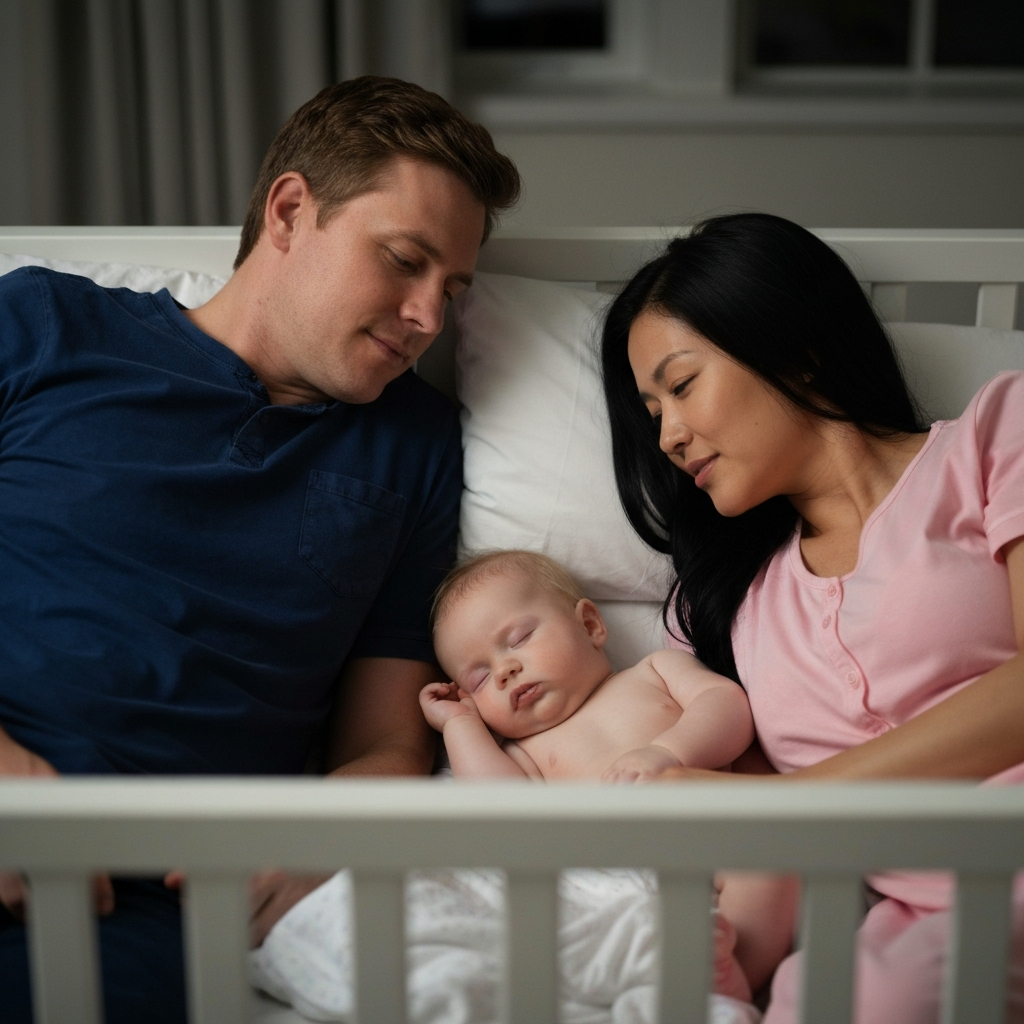
If your toddler turns into a leg-clinging, tear-streaked koala the moment you reach for the daycare door, you already know that “terrible twos” isn’t just about tantrums over the wrong color cup. For a lot of families, this stage collides head-on with drop-off — and mornings that used to be simple suddenly feel like a negotiation with a very small, very loud person who does not want you to leave.
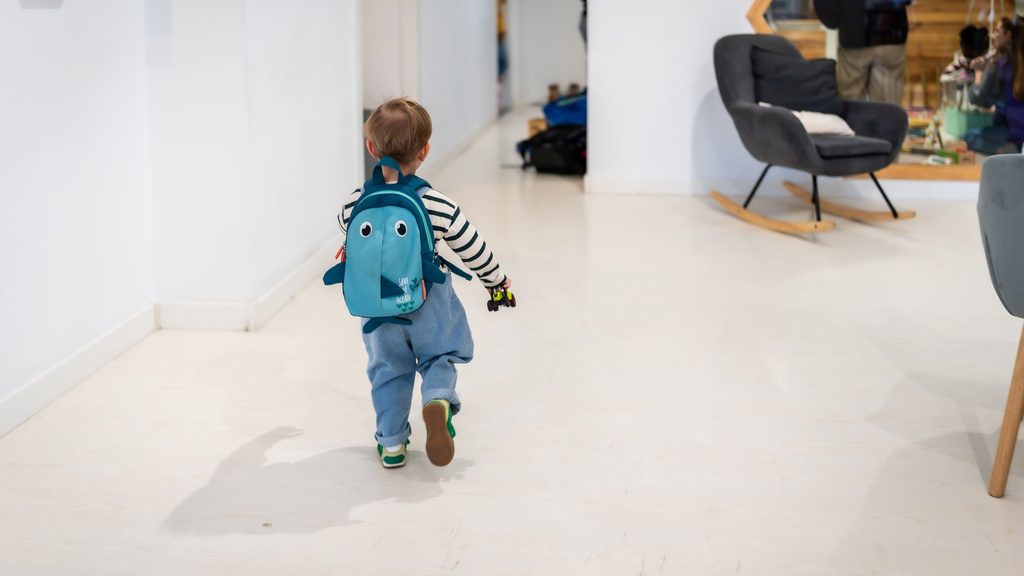
The good news: this is developmentally normal, it doesn’t last forever, and there are concrete things you can do to make drop-off smoother — for both of you.
Why Drop-Off Gets Harder Around Age Two
Separation anxiety often gets worse before it gets better around toddlerhood. Your child now understands object permanence well enough to know you still exist when you’re not in the room — which sounds like progress, but it also means they’re aware you’re choosing to walk away. At the same time, they don’t yet have the language or emotional regulation skills to process that calmly. The result: big feelings, expressed the only way they know how.

It’s also worth remembering this stage often overlaps with other “terrible twos” milestones — testing limits, wanting more control, and reacting strongly when things don’t go their way. Drop-off just happens to be one of the moments where all of that shows up at once.
1. Build a Short, Predictable Goodbye Ritual
Toddlers find comfort in routine because it makes the world predictable. A consistent goodbye ritual — the same three or four steps, every single day — gives your child something familiar to hold onto even when their feelings are big.
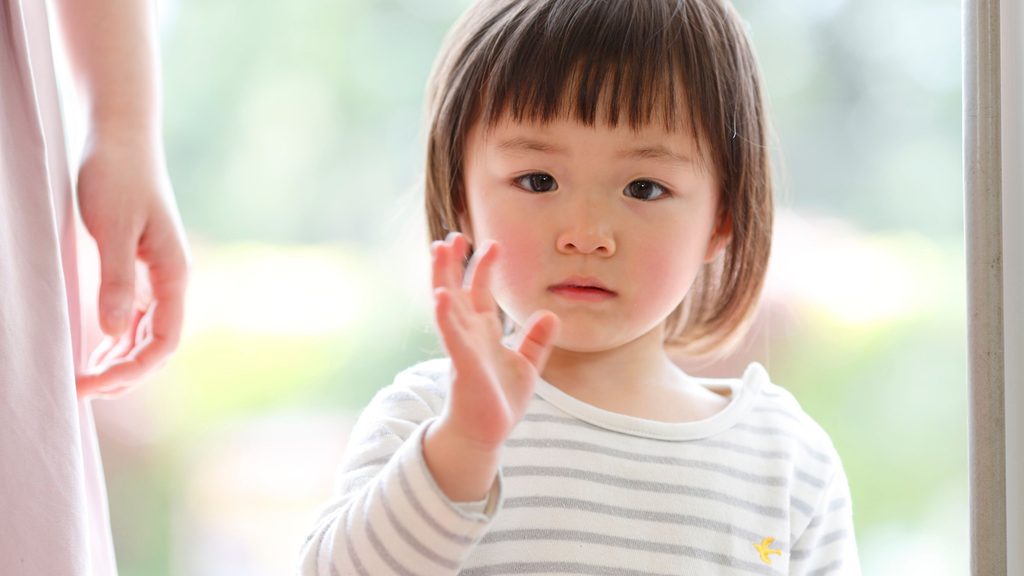
This could be as simple as: one hug, one high-five, a wave through the window, and a specific phrase like “See you after nap time!” Keep it short. A ritual that drags on for ten minutes often makes anxiety worse, not better, because it signals to your toddler that this is a moment worth being upset about.
2. Never Sneak Out
It’s tempting to slip away while your toddler is distracted, hoping to avoid the meltdown altogether. Resist this urge. When a child realizes you disappeared without warning, it can actually increase anxiety over time, because now they’re watching for you to vanish — which makes them cling harder, not less.
Always say goodbye, even if it triggers tears in the moment. A predictable goodbye, even a hard one, builds more trust than a smooth escape.
3. Say Goodbye With Confidence, Not Guilt
Toddlers are remarkably good at reading their parents’ emotional state. If you linger, look anxious, or repeatedly go back for “one more hug,” your child picks up on that uncertainty and mirrors it back to you.
Practice a warm but brief goodbye delivered with a calm, confident tone — as if you have zero doubt that they’re going to be okay. Save the guilt and the worry for the car, not the doorway.
4. Hand Off to a Caregiver, Don’t Just Walk Away
Where possible, physically transfer your child into a caregiver’s arms or attention before you leave, rather than just heading for the door while they’re playing. This tells your toddler, in a very concrete way, “I am leaving you with someone safe,” rather than leaving them to feel like they’ve simply been left.
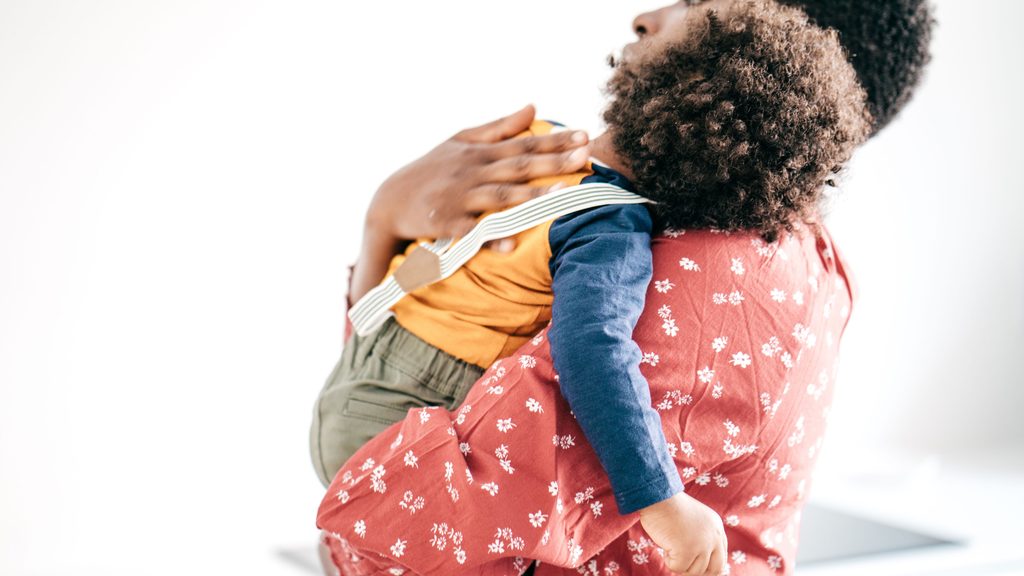
A quick, “Ms. Grace is going to help you find the blocks!” as you make the handoff gives your child a bridge from you to their caregiver.
5. Bring a Comfort Object
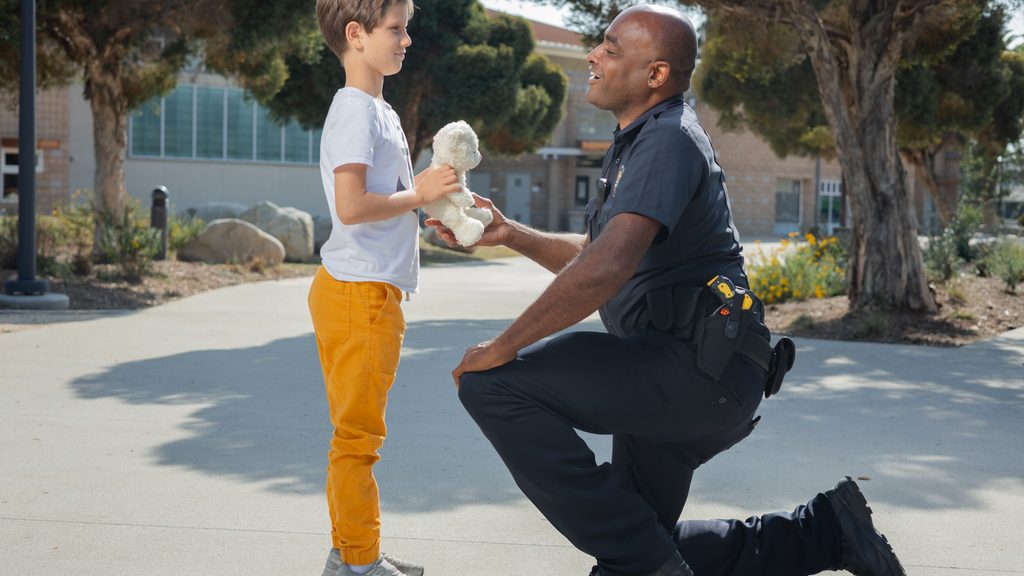
A small stuffed animal, a piece of a soft blanket, or even a photo of you tucked in their bag can act as a stand-in for your presence during the day. Many daycare providers are happy to accommodate this, and it can be especially helpful during nap time or the first hour after drop-off, which tends to be the hardest stretch.
6. Talk About It Before You Get There
Toddlers process the world better when they know what’s coming. On the drive or walk to daycare, narrate the plan in simple, positive terms: “First we’re going to daycare, you’ll play with blocks and have snack, and then Mummy comes back after nap time.” Repetition of the same simple script, morning after morning, helps your child build a mental map of the day — which reduces the fear of the unknown.
7. Time Your Mornings So You’re Not Rushed
Separation anxiety is always worse when it’s tangled up with a rushed, stressful morning. If you’re frantically grabbing shoes and snapping at your toddler to hurry, that tension gets absorbed into the goodbye itself. Where you can, build in a little buffer time so the last few minutes before drop-off feel calm rather than chaotic.
8. Praise the Brave Moments — Even Small Ones
When your toddler manages to wave instead of cry, or walks into the classroom without being carried, name it specifically: “You waved bye-bye to Mummy! That was so brave.” This kind of specific praise reinforces the behavior you want to see more of, without requiring your child to be fully calm before you can celebrate progress.
9. Give It Two to Four Weeks Before You Worry
Most toddlers need a solid stretch of consistent routine — often two to four weeks — before drop-off anxiety noticeably eases. If you change your approach every few days because the current one “isn’t working yet,” you’re actually removing the predictability your child needs most. Pick a routine and stick with it before deciding whether to adjust.
10. Check In With Your Caregiver, Not Just Your Child
Ask your daycare provider how your toddler settles after you leave. It’s extremely common for a child who cries hard at drop-off to be completely fine — playing, laughing, engaged — within five to ten minutes. Knowing this can make a world of difference for your own peace of mind on the drive to work, even if the goodbye itself still stings.
Related: How to deal with Terrible twos
A Note for Working Moms Carrying the Guilt
If there’s one thing worth saying plainly: a toddler crying at drop-off is not evidence that you’re failing them. It’s evidence that they love you and haven’t yet learned that goodbyes are temporary — a lesson that takes repetition, not perfection, to sink in. Going to work doesn’t undo the security you’re building at home. The short, consistent goodbye you give them every morning is, in its own small way, teaching them exactly that.