I spent months, and hundreds of dollars, sitting in waiting rooms for autism assessments for my first son.
He was severely speech delayed. He wasn’t responding to his name. He wasn’t pointing or babbling like the other kids his age. As a mother, you feel a deep, heavy pit in your stomach when you realize your child is struggling to connect with the world around them.
After endless forms and evaluations, it was actually a pediatrician who looked at me and gently asked a question that changed our lives: “How much screen time is he getting?”
I was honest. He was addicted to Cocomelon. I used it so I could cook, clean, and just take a breath.
That was the day I first heard the term “virtual autism” — a term some pediatricians use to describe how excessive, fast-paced screen time can mimic autism-like symptoms in a developing toddler’s brain by disrupting back-and-forth communication and overstimulating their dopamine response. It’s not a formal medical diagnosis, and every child is different, but it’s what my son’s pediatrician believed was happening with him.
It was a tough pill to swallow. We immediately did a massive screen detox. It was incredibly hard, but eventually, the fog lifted, and his speech and connection began to bloom.
When I had my second son, I made a silent promise to myself: there was no way I was going to allow screen time to be a detractor to his development. I knew I had to do things differently.
But that left me with a massive, everyday problem: How on earth do you keep a busy 1-year-old safely entertained without turning on the TV?
The answer, I discovered, is sensory play.
Why Sensory Play is the Ultimate Antidote to Screen Time
A 1-year-old’s brain is like a sponge, but it doesn’t learn by passively staring at a flat screen. It learns by touching, tasting, dropping, squishing, and smashing.
Sensory play builds neural pathways. It naturally teaches cause and effect (a crucial pre-speech skill) and develops the fine motor skills they need for everyday life. Best of all? It teaches them independent play, doing naturally what screens try to do artificially.
If you are trying to cut back on screens, you don’t need a Pinterest-perfect playroom or expensive wooden toys. You just need a few household items and a little bit of patience.
Here are 6 incredibly easy, screen-free sensory play ideas for 1-year-olds that will boost their development and buy you some quiet time.
1. Water Play: The Ultimate Reset Button
When it’s 5:00 PM (the dreaded witching hour) and my toddler is whining and clinging to my legs, my first instinct is to turn on a cartoon. Instead, I turn on the tap. Water is instantly calming for an overstimulated toddler.
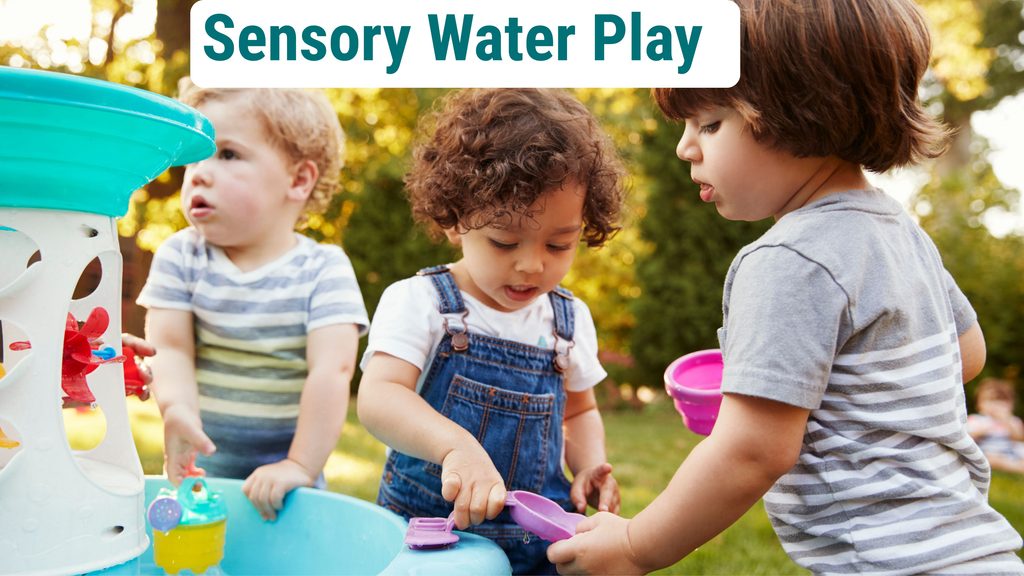
What you need: A shallow plastic storage bin, a towel, an inch of water, and some kitchen utensils (a whisk, measuring cups, a slotted spoon).
How to do it: Lay the towel on the kitchen floor, place the bin on top, and let them splash. Alternatively, strip them down to their diaper and put the bin inside your dry, empty bathtub to contain the splashes.
The Benefit: Splashing and whisking water provides heavy-work sensory input that regulates their nervous system, making it the perfect screen-free distraction while you cook dinner.
2. Cooked Spaghetti Play
This one looks like chaos and feels like magic to a 1-year-old. It’s also one of the easiest “sensory bins” to throw together — no special ingredients required.
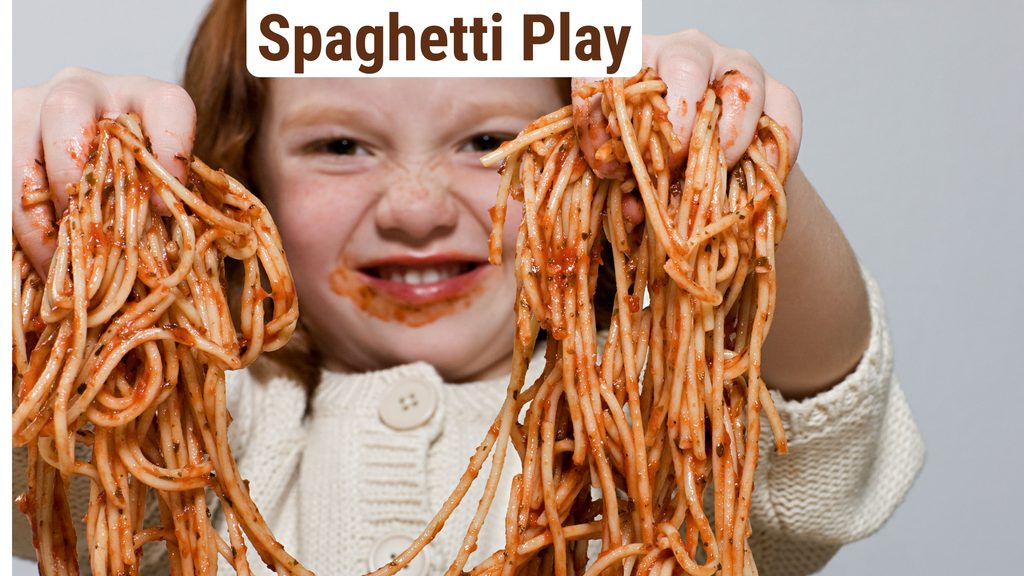
What you need: A handful of cooked, cooled spaghetti (plain, or with a drop of food coloring mixed in while it cooks), a shallow tray or bowl, and a bib.
How to do it: Cook the spaghetti until soft, drain it, and let it cool completely. Dump it onto the tray and let your toddler pull, squish, and tangle it with their hands.
The Benefit: The slippery, stretchy texture is a completely different tactile input from anything dry, which helps desensitize kids who tend to be picky about “messy” textures — and since it’s just pasta, it’s perfectly fine if a strand ends up in their mouth.
3. Construction Paper Paint Play
You don’t need an easel or a fancy art set for this — just paper, paint, and a floor you don’t mind wiping down.
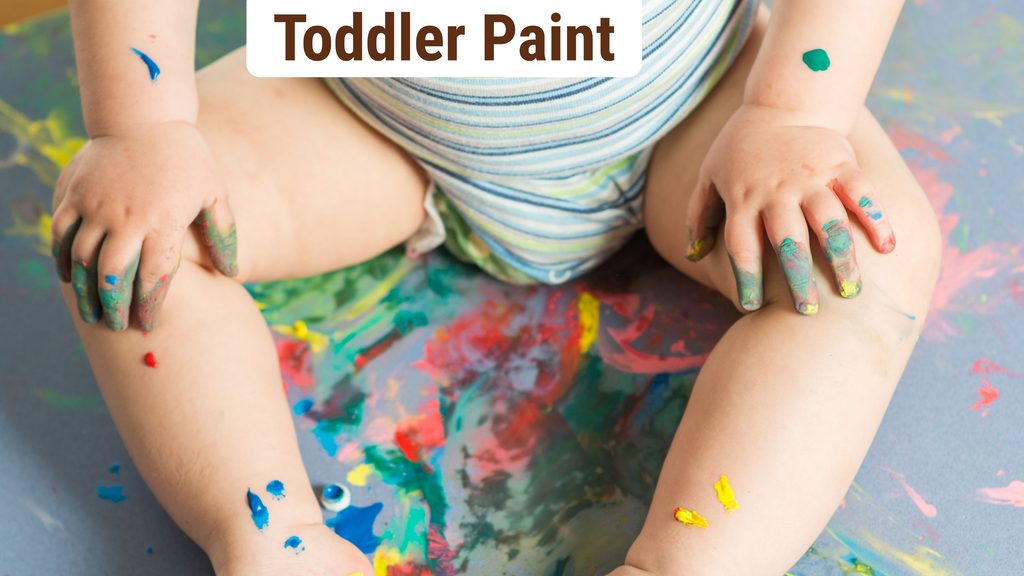
What you need: A sheet of construction paper, a small dish of toddler-safe paint (or plain yogurt tinted with food coloring if you want it fully taste-safe), and a wide paintbrush or just their own hands.
How to do it: Tape the paper down to the highchair tray or floor so it doesn’t slide around, dab a bit of paint in front of them, and let them smear it with fingers, palms, or the brush.
The Benefit: The unpredictable way color spreads under their fingers teaches cause and effect, and the whole-hand motion builds the same muscles they’ll later use to hold a spoon or a crayon.
4. Big Brother’s Paper Squishes
This is a favorite in our house — it turns sensory play into a sibling bonding moment, not just an activity.
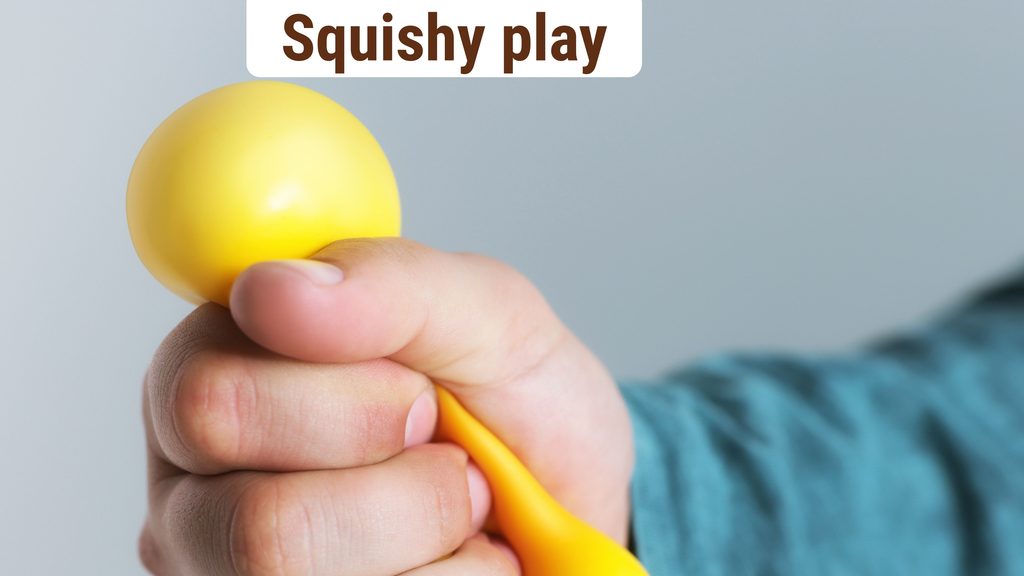
What you need: The paper squish crafts your elder son has made (folded or crumpled paper toys), plus a few spares if you want to make extra together.
How to do it: Hand them over and let your 1-year-old squeeze, poke, and explore the different textures and folds. Sit nearby in case any pieces come apart.
The Benefit: Beyond the sensory input, it gives your toddler a toy made with love by their big brother — and mirrors the powerful “learning by watching an older sibling” pattern, which is one of the best natural substitutes for screen-based learning.
5. Block Play
Simple, classic, and still one of the most effective tools for early development.
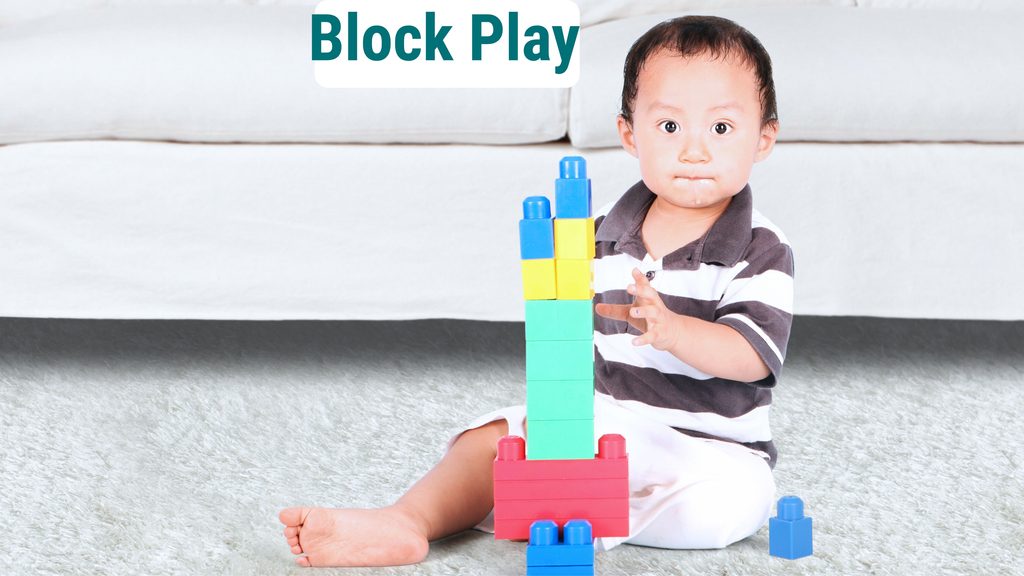
What you need: A set of soft or wooden blocks, sized appropriately for a 1-year-old so they’re not a choking hazard.
How to do it: Stack a small tower and let them knock it down, or let them try stacking their own — expect a lot more knocking than stacking at this age.
The Benefit: Grasping, stacking, and the satisfying crash of a tower falling build hand-eye coordination and give them an early sense of spatial cause and effect.
6. Kinetic Sand Play
This is the closest thing to a “wow” toy on this list, and toddlers genuinely can’t get enough of it.
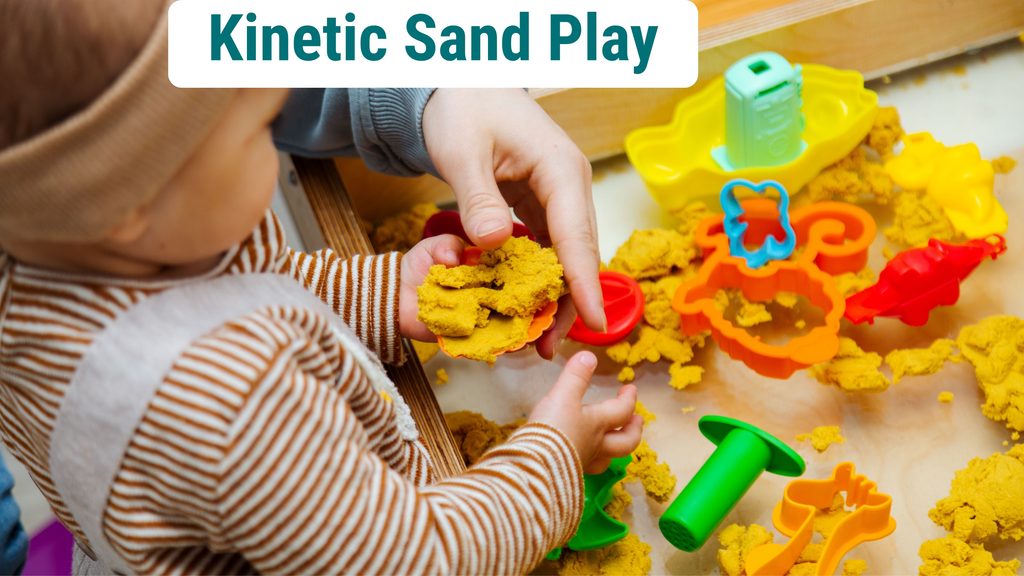
What you need: A tub of kinetic sand, a shallow tray, and a couple of simple scoops or cups.
Note: Unlike the other activities on this list, kinetic sand is not taste-safe, so this one calls for closer supervision than the rest.
How to do it: Pour a small amount into the tray and let them squeeze, mold, and scoop it.
The Benefit: The moldable-but-not-sticky texture is deeply satisfying for little hands and builds the same scooping and pouring fine motor skills as sand or rice, without loose grains scattering everywhere.
Surviving the Screen-Free Transition
If your toddler is used to watching TV, the first three days of a screen detox are going to be tough. I won’t sugarcoat it. They will whine. They will ask for the screen.
But I promise you, if you hold the boundary and offer these simple sensory invitations instead, a beautiful thing happens. Their natural curiosity kicks in. Their attention span stretches. The tantrums reduce.
Watching my second son thrive, babble, and problem-solve through independent play has been the greatest reward. You can do this. Put the screens away, grab a bin of kinetic sand or a handful of cooked spaghetti, and watch them bloom!